Posts

Showing posts with the label Specialized Waste Recycling

Why just Recycle let us also Upcycle!

Image
  Oh, just another of the many new words that sound cool but mean almost nothing”. Reduce, reuse, recycle, repeat… but now say hello to  upcycling. So well, if I recycle, why do I need to upcycle? The distinction between recycling and upcycling really makes sense and invites us to investigate the very sense of terms such as product design and sustainability. The manufacturing revolution has changed the way we turn wasted materials into amazing new stuff! While both recycling and upcycling reduces the amount of junk that goes to our landfills, upcycling turns that same waste into a product of a higher quality–while recycling slightly decreases the quality of certain materials. Believe it or not, for every ton of tossed plastic bottles that get upcycled, tons of CO 2  is prevented from entering the atmosphere! Upcycling is more about less use of water, energy, and raw materials to create something new than traditional production. Only a few decades ago, ...
Why is it important to breakdown cardboard waste?

Image
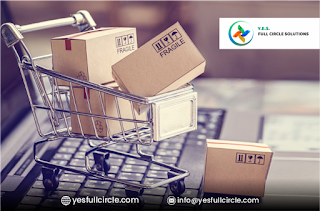
“Cradle to Cradle is like good gardening; it is not about saving the planet but about learning to thrive on it.” Around 80 percent of all products sold either through online shopping or traditional shopping use cardboard packaging. However, 850 Million Tonnes of paper and cardboard are discarded annually. The EPA estimates that paper and cardboard materials represent the largest component of municipal solid waste. If you are a business owner or manager, chances are you generate a lot of cardboard waste. But are you aware of the consequences? —especially in added costs—that arise from not breaking down your cardboard for disposal? We have assembled a helpful detail about why ‘breaking it down’ is important. How properly doing so could create a revenue source for businesses, and the best practices to leverage for your cardboard waste. Reduce Pollution Conserves Energy Averts Deforestation Create jobs It is very important that we cultivate the habit of recycling cardboard, rather than thr...

Keys to workplace recycling success

Image
“Think outside the trash… RECYCLE!” The amount of  waste we produce is growing day by day , and our offices play a large part in it! On an average, the office worker creates 4.40 pounds of waste each day. Coffee cups, Styrofoam, paper products, office equipments and plastics are among the commonly used office items all of which are sent directly to the landfills. The good news is that your company can probably recycle more than you think. It is estimated that 70% of a business’ landfill waste can be recycled, that can help in restoring the environment through implementation of Zero-Waste Model! And, moving your organization closer to zero-waste can result in cost savings, all while making a positive environmental and social impact! The goal of zero-waste is to reduce overall waste generation and to divert materials whenever possible. The 5 R’s of Zero-Waste are as follows: Refuse  what you do not need. Reduce  what you do need; reconsider just how...

Decentralised Waste Management

Image
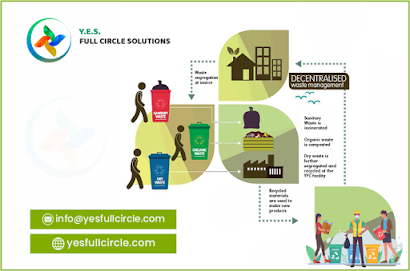
“There is no such thing as ‘Away’. When we throw anything away, it must go somewhere” Today humans generate more waste than ever before which is not only an environmental problem but also an economic loss. On an average, over 377 million urban people living in 7,935 towns and cities generate almost 62 million tonnes (MT) of municipal solid waste per annum. Of this waste generated only 43 MT of the waste is collected, 12 MT is treated and 31 MT is dumped in landfill sites by municipal authorities within or outside the city haphazardly, creating various issues like: Waste collector dumping waste on road sides creating unhygienic condition Solid waste disposal often takes up valuable and costly land Your dry waste is not giving you any earning No facility to treat wet waste on-site No resource recovery from waste Therefore,  Solid Waste Management  issue is the biggest challenge to the authorities of both small and large cities in developing countries. The problem is posed due to...

Reducing Your Landfill Contribution

Image
“Refuse what you do not need; reduce what you do need; reuse what you consume; recycle what you cannot refuse, reduce, or reuse; and rot (compost) the rest.”   Let’s say Hi to trash free living!  Our current culture of consumption is quite unsustainable. We just believe in extracting the raw materials from natural spaces which requires large amount of energy and causes pollution, whether it is logging a forest, mining for minerals or drilling for oil. Processing these materials requires more energy and causes more pollution. Once they’re used, the goods are simply dumped in a landfill or destroyed in an incinerator. In present scenario the number of landfills has decreased over the years, but the size of existing landfills has increased. The ill practices of landfill management have turned them into dumping yards full of noxious gases like CO 2 , CH 4 , VOCs and other hazardous pollutants. Landfill gases can also move underground, potent...